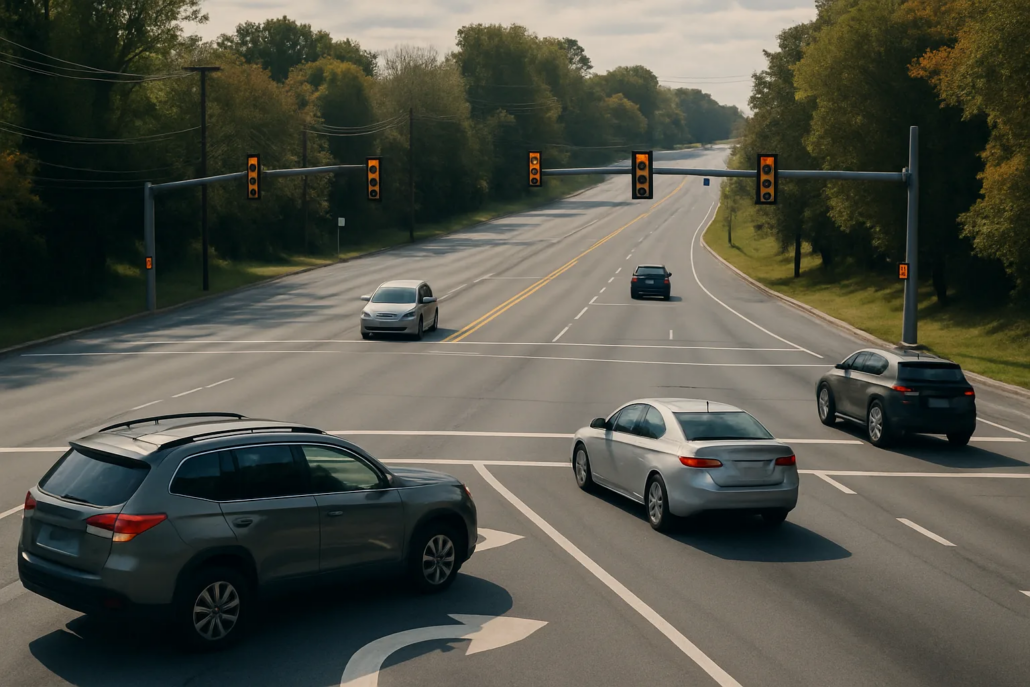
What Does an Annapolis Intersection Accident Lawyer Check?
A busy intersection can produce several competing stories in only a few seconds. One driver may say the light was green, another may believe the signal had changed, and a turning driver may remember having the right of way. After a crash, those differences can make intersection crash fault in Annapolis: traffic signals, turns, and right of way a central issue—not just a question of which vehicle is damaged more.
For people in Annapolis, MD; Arnold, MD, and throughout Anne Arundel County, the available evidence may include signal phases, lane positions, roadway markings, visibility, vehicle damage, witness accounts, and police observations. Murnane & O’Neill can serve as a knowledgeable resource while you organize those facts. If you are considering legal guidance, Annapolis car accident lawyers may be able to evaluate how the evidence relates to your situation. This article explains what to preserve after a collision, why fault is often disputed, and how medical follow-up can fit into the larger picture.
How Traffic Signals and Right of Way Affect Annapolis Intersection Accident Fault
A traffic signal is important evidence, but it is not always the only evidence. Investigators and insurers may examine whether each driver entered on a green, yellow, or red signal, whether a vehicle was already in the intersection, and whether a driver proceeded after the signal changed. Signal visibility, obstructions, weather, glare, and the position of each vehicle can also affect what a driver reasonably could see.
Right of way is not always a complete answer
Maryland right-of-way rules generally help determine which road user should proceed first, but right of way does not eliminate the duty to use reasonable care. A driver with a green light may still need to watch for vehicles, pedestrians, cyclists, or hazards. Similarly, a driver making a turn may need to yield depending on the movement and traffic conditions. The precise analysis depends on the facts and the applicable Maryland law, which can change and should be reviewed for the relevant location.
In Annapolis, MD; Arnold, MD, a collision may also involve different road designs, dedicated turn lanes, protected arrows, or permitted turns. A driver’s statement that “the light was green” may not resolve whether the signal applied to that lane or turning movement. These details are why an intersection collision should not be assessed from a single fact in isolation.
Reconstructing Fault: The Intersection Collision Evidence to Preserve
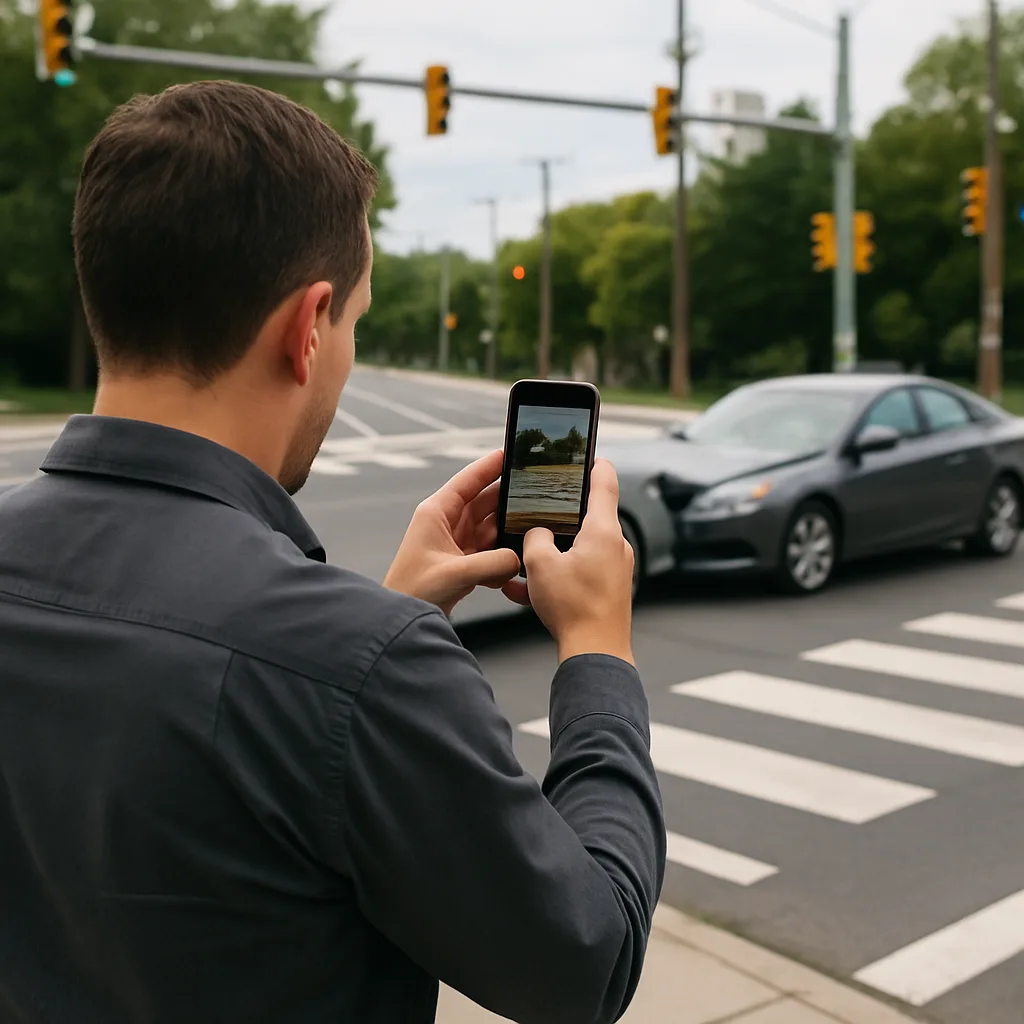
Intersection disputes are often decided by comparing multiple sources of information. A police report can record statements, roadway conditions, citations, diagrams, and the officer’s observations, but it may not answer every question. Insurance investigators may also consider photographs, vehicle damage, event data when available, and accounts from people who saw the crash.
After addressing immediate safety needs, a practical evidence checklist may include:
- Photograph the vehicles, their positions if safe, skid or debris patterns, traffic lights, lane arrows, signs, crosswalks, and visible obstructions.
- Record the intersection, direction of travel, lane used, intended turn, and approximate signal phase while the memory is fresh.
- Obtain names and contact information for independent witnesses, including people who may have been waiting at the intersection or nearby businesses.
- Ask whether nearby businesses, homes, buses, or public agencies may have cameras. Footage may not exist, may be overwritten, or may require a formal request or legal process.
- Keep the incident number and request information about the police report from the responding agency, such as Annapolis Police or Anne Arundel County Police, depending on where the crash occurred.
Traffic-camera possibilities require particular care. A traffic-management camera may monitor conditions without recording usable evidence, and retention periods vary. A lawyer may help identify potential sources and consider appropriate preservation steps, but no camera footage should be assumed to exist.
Signal timing can sometimes be evaluated through agency records, scene measurements, witness testimony, or reconstruction methods. Lane positions and damage patterns may help test whether a vehicle was traveling straight, changing lanes, or turning. For broader guidance on connecting driver conduct, evidence, and injury, see how to prove accident negligence in Maryland.
What to Do After a Car Crash at a Traffic Light in Annapolis
A calm, organized response can help preserve information while fault remains uncertain. You generally do not need to decide at the scene who caused the collision. Avoid arguing with another driver or making statements that speculate about speed, signal timing, or responsibility. Instead, focus on safety, reporting, documentation, and medical attention.
Depending on the circumstances, consider these steps:
- Check for immediate danger. Call emergency services when appropriate, move to a safe location if possible, and follow directions from responding personnel.
- Exchange information carefully. Collect names, contact details, insurance information, vehicle descriptions, and witness contacts. Do not assume the other driver’s explanation is complete.
- Document the scene. Take photographs only when it is safe. Include wide views showing lane configuration as well as closer images of damage, signals, markings, and obstructions.
- Follow up about symptoms. Some injuries may not be obvious immediately. A qualified medical professional can evaluate symptoms and explain appropriate care; keep records of visits, restrictions, bills, and follow-up.
- Preserve communications and evidence. Save photographs, messages, dash-camera files, repair estimates, insurance correspondence, and notes about missed work or daily limitations.
A Maryland serious crash injury checklist can help organize post-crash information. Medical records and bills may also matter even when insurers disagree about fault; resources on handling medical bills after a Maryland injury accident address that separate concern. Depending on the circumstances, an attorney may also review whether Maryland’s negligence rules, insurance coverage, and deadlines affect a potential claim. Laws and procedures vary by jurisdiction and may change since publication.
Frequently Asked Questions
What if both drivers claim they had a green light?
A green-light dispute may require more than comparing the drivers’ statements. Relevant evidence can include independent witnesses, signal sequencing, vehicle positions, photographs, damage patterns, nearby video, and the police report. An insurer or attorney may assess whether the signal applied to a particular lane or turning arrow. The available proof will depend on the intersection and what was preserved after the crash.
Can a left-turning driver ever have the right of way in Maryland?
A left-turning driver may have a protected signal or may be permitted to turn under circumstances that affect the right-of-way analysis. However, a turn generally must be made with reasonable care and in compliance with applicable signals and markings. Whether the turning driver or another road user bears responsibility depends on the signal phase, lane positions, visibility, and other facts. Maryland law should be reviewed for the specific collision.
How long might traffic-camera footage be available after a crash?
There is no single guarantee that usable footage exists or will remain available for a particular intersection. Different cameras may have different purposes, recording practices, and retention periods. Nearby private businesses may overwrite video quickly, while public-agency records may involve separate request procedures. Identifying possible sources early can be important, but an attorney cannot promise that footage will be found or released.
What if I did not receive a traffic citation after the crash?
The absence of a citation does not necessarily establish that no one was negligent, and a citation does not automatically decide a civil injury claim. A police officer may not witness the collision or have enough information to determine every disputed fact. Civil fault can involve evidence that was not available at the scene, including medical records, witnesses, photographs, and reconstruction analysis. An attorney can explain how the available evidence may be evaluated.
How Murnane & O’Neill Can Help
Murnane & O’Neill is dedicated to helping people understand the evidence and legal issues that may follow a disputed intersection crash in Annapolis, Arnold, or elsewhere in Anne Arundel County. The firm is committed to fighting for clients’ rights while evaluating signal evidence, turning movements, witness information, police reports, medical documentation, and applicable insurance issues. Because every collision has different facts, the team is ready to evaluate your situation and discuss potential legal options without promising a particular result.
Contact Murnane & O’Neill for a free consultation or case evaluation about your intersection crash.
The information in this article is for educational purposes only and does not constitute legal advice. Contact a qualified attorney licensed in Annapolis, MD; Arnold, MD for advice specific to your situation.