
Truck Accident Brain Injury Lawyer Maryland: What Counts?
A truck collision can leave someone feeling shaken, sore, or confused without revealing the full extent of the injury right away. How does a doctor, family, or truck accident brain injury lawyer in Maryland evaluate what may be a serious brain or spine injury when symptoms change over time?
Large commercial vehicles can generate substantial forces in a crash. Those forces may affect the brain, spinal cord, vertebrae, discs, or nerve pathways. Some problems are apparent at the scene, while others become more noticeable during the hours or days that follow. Prompt medical attention and consistent follow-up can help create a clearer record of what happened and how the injury affects daily life.
Murnane & O’Neill helps people understand the relationship between medical evidence and a personal injury claim without treating a diagnosis as a substitute for individualized legal analysis. This article explains what evaluators may consider, why functional documentation matters, how families can organize information, and what Maryland residents in Annapolis and Arnold should know about the process.
How Are Truck Accident Brain and Spine Injuries Evaluated in Maryland?
Evaluation usually involves more than one appointment or a single scan. Medical professionals may consider the collision history, symptoms, physical and neurological examinations, diagnostic imaging, treatment records, and changes in the person’s ability to function. The appropriate evaluation depends on the individual’s condition and the judgment of licensed health care professionals.
Brain injury evaluation
A traumatic brain injury after a commercial vehicle accident can involve symptoms such as headaches, dizziness, memory difficulty, sensitivity to light, sleep changes, slowed thinking, or mood changes. These symptoms can have many possible causes, so an article cannot determine whether a particular person has a brain injury. Clinicians may compare the person’s condition before and after the collision and document symptoms over time.
A normal initial scan does not necessarily answer every medical question. Some brain injuries are evaluated through clinical history, cognitive or neurological assessment, and continuing observation in addition to imaging. Records that describe concentration, communication, work tolerance, and everyday tasks may provide important context for the treating team.
Spine and spinal cord evaluation
A spinal cord injury truck crash in Annapolis may involve the neck, back, vertebrae, discs, nerve roots, or spinal cord. Evaluation may include strength, sensation, reflexes, balance, range of motion, and imaging selected by the treating provider. Symptoms can include pain, numbness, weakness, tingling, or changes in coordination, but these symptoms require professional assessment rather than self-diagnosis.
In Annapolis, Arnold, and elsewhere in Maryland, medical records can later help show the progression of symptoms and the care considered necessary. They may also help distinguish an acute injury from prior conditions, when that distinction is medically supportable.
Why Do Delayed Symptoms and Functional Records Matter in a Serious Injury Truck Accident Claim?
After a high-force collision, the first medical visit may focus on urgent concerns. As a person resumes ordinary activities, additional limitations may become clearer. A person may struggle to follow a conversation, drive, prepare meals, climb stairs, lift objects, maintain a work schedule, or complete household responsibilities. These changes can be relevant to medical care and to the claimed impact of an injury, but they should be described accurately rather than exaggerated.
A serious injury truck accident claim may involve evidence from several sources, including:
- Emergency department and hospital records
- Imaging reports and specialist evaluations
- Physical, occupational, or cognitive rehabilitation records
- Work restrictions, attendance records, and wage documentation
- A symptom and appointment timeline
- Statements from family members or others who observed functional changes
- Information about anticipated treatment or assistance, when supported by medical evidence
Organizing information at home
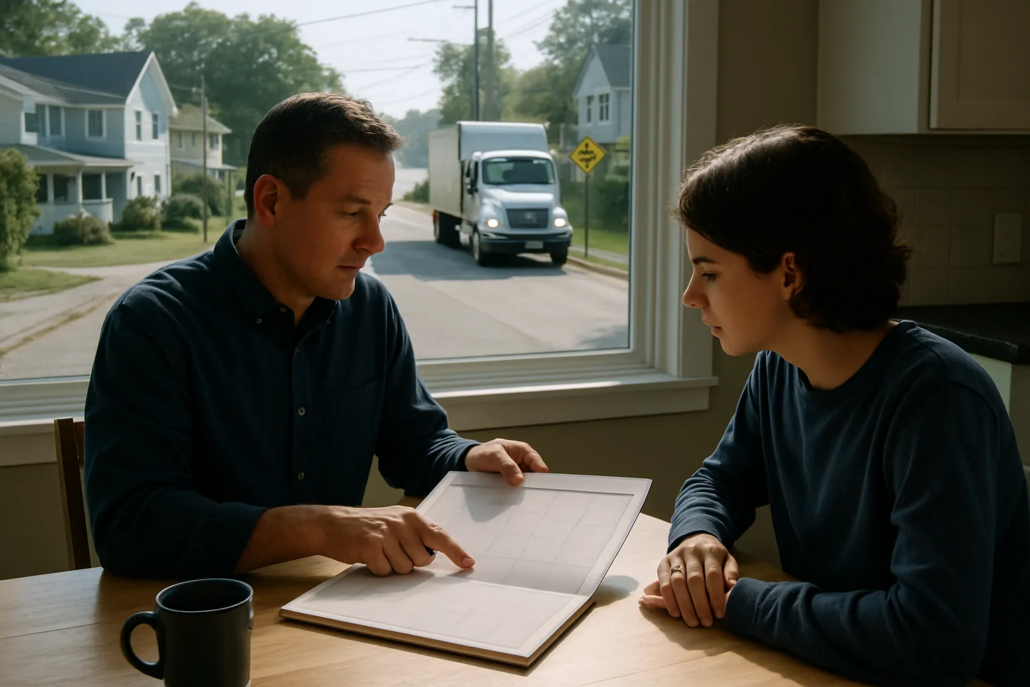
Families can create a dated log of symptoms, appointments, restrictions, medication-related concerns, and changes in ordinary tasks. The log should identify who made the observation and distinguish direct observations from assumptions. Keeping copies of bills, referrals, test results, work communications, and provider instructions in one secure location can also make discussions with medical and legal professionals more efficient.
For residents of Annapolis and Arnold, local providers, employers, and household routines may all form part of the practical record. The goal is not to create a perfect diary. It is to preserve a reliable account of what changed, when it changed, and how the person’s care team responded.
What Legal and Practical Issues Should Families Consider After a Truck Collision?
Medical proof and legal proof serve related but different purposes. A treating provider evaluates health conditions and care. A legal claim may require analysis of fault, insurance coverage, causation, damages, and applicable Maryland rules. The facts can differ from one collision to another, particularly when a commercial driver, motor carrier, vehicle owner, or multiple insurers are involved.
Families often find it useful to consider these steps as information-organizing measures, not as a substitute for legal advice:
- Follow the treating team’s instructions. Keep appointments and communicate new or changing symptoms to qualified providers. Do not assume that an early improvement or a normal-looking test resolves every concern.
- Preserve collision-related materials. Keep photographs, crash information, correspondence, receipts, and other records in their original form when possible.
- Record functional changes. Note missed work, assistance with personal or household tasks, transportation needs, and changes in school or recreational activities.
- Be careful with public statements. Casual social media posts or statements to an insurer may lack context. Depending on the circumstances, an attorney may explain how communications could affect a claim.
- Discuss time limits promptly. Maryland deadlines can depend on the type of claim, the parties involved, and other facts. Laws and procedures vary by location and may change, so a licensed Maryland attorney can assess the applicable issues.
A lawyer evaluating a traumatic brain injury commercial vehicle accident may also examine how medical records connect the collision to current limitations and whether future care is supported by qualified medical opinions. That analysis is fact-specific and does not guarantee a particular result.
Frequently Asked Questions
Can brain or spine symptoms appear after the first day?
They can become noticeable or more clearly documented later, although the timing and cause of symptoms vary. A person may initially focus on emergency concerns and only recognize problems with concentration, balance, pain, sleep, or strength after returning to ordinary routines. New or changing symptoms should be discussed with a qualified medical professional. A dated record of symptoms and appointments may help preserve an accurate history for both care and claim evaluation.
What if an MRI or CT scan does not show the full problem?
Imaging is one part of an evaluation, not a complete substitute for a clinical history and examination. Depending on the condition, providers may consider neurological findings, cognitive concerns, functional limitations, and changes over time. The meaning of a particular scan can only be explained by an appropriate health care professional who knows the patient’s circumstances. Legal counsel may review available medical evidence but cannot diagnose an injury.
Who may pay for future care after a Maryland truck crash?
Responsibility for medical bills and future care depends on the facts, insurance policies, available benefits, liability findings, and Maryland law. Payment arrangements can also change during treatment. A claim evaluation may consider documented past care and medically supported future needs, but no particular source of payment or outcome is guaranteed. A licensed Maryland attorney can explain the issues that may apply to an individual situation.
Can a family member document changes without violating privacy?
A family member can keep private, factual notes about observations and assistance provided, but should avoid guessing about a diagnosis or overstating limitations. Medical records remain controlled by the patient and applicable privacy rules. Families may ask the patient and providers how information can be shared appropriately. Depending on the circumstances, an attorney may also explain which records and statements could be relevant to a personal injury claim.
How Murnane & O’Neill Can Help
Murnane & O’Neill is dedicated to helping injured people and families understand the medical, insurance, and legal issues that may follow a truck collision. The firm is committed to fighting for clients’ rights while carefully examining medical records, functional losses, and the circumstances of the crash. Its team is ready to evaluate your situation and explain potential legal options in the context of Maryland law.
If you or a family member is dealing with a suspected brain or spine injury after a truck collision in Annapolis, Arnold, or another Maryland community, contact Murnane & O’Neill for a free consultation or case evaluation.
The information in this article is for educational purposes only and does not constitute legal advice. Contact a qualified attorney licensed in Annapolis, MD; Arnold, MD for advice specific to your situation.





Leave a Reply
Want to join the discussion?Feel free to contribute!