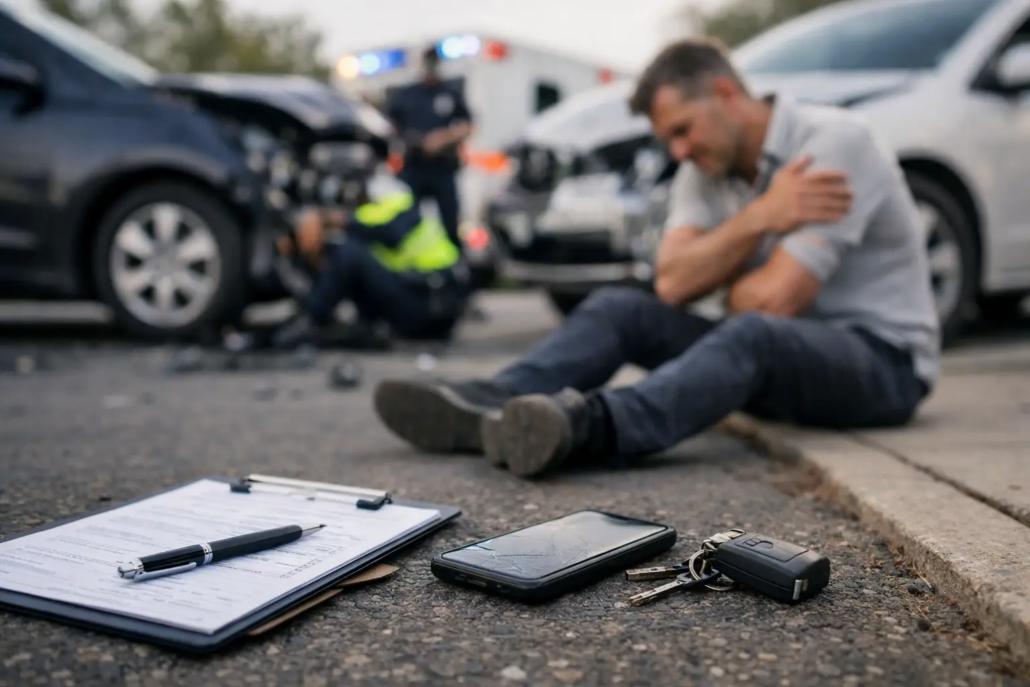
Best Evidence After an Injury Accident
The hours after a crash or serious injury are rarely clear. You may be in pain, shaken up, or trying to figure out how you will get home, miss work, or pay for treatment. In that moment, the best evidence after injury accident is usually the evidence gathered early, before the scene changes, before memories fade, and before an insurance company starts shaping the story.
That does not mean you need to build a lawsuit from the roadside. It means the right proof, collected in a practical way, can make the difference between a disputed claim and a strong demand for full compensation. For injured people in Pasadena, Maryland, that matters. A good case is not built on what probably happened. It is built on what can be shown.
What counts as the best evidence after injury accident
Strong evidence does two things. First, it helps prove fault. Second, it shows how the injury affected your health, income, and daily life. The best evidence after injury accident is usually a combination of scene evidence, medical proof, and documentation of losses.
Photos and video often carry immediate weight because they capture conditions before anyone has time to clean up debris, move vehicles, repair equipment, or soften their version of events. Images of vehicle damage, skid marks, road conditions, broken stairs, wet floors, poor lighting, visible injuries, and the surrounding area can be extremely persuasive. A short video showing traffic flow, an obstructed view, or a hazard that is easy to miss in still photos can help too.
The police report or incident report is another major piece of the file, but it is not always the final word. These reports can identify drivers, witnesses, insurance information, and basic facts. They can also contain mistakes. That is why a report is valuable, but it should be supported with photographs, statements, and medical records.
Medical records matter more than most people realize
If there is one category of evidence that often decides the value of a claim, it is medical documentation. Emergency room notes, imaging, orthopedic evaluations, physical therapy records, surgical recommendations, prescription history, and follow-up care all help connect the injury to the accident.
Insurance carriers look closely at gaps in treatment. If someone says they were badly hurt but waited too long to seek care, the insurer may argue the injury was minor or came from something else. That is not always fair, especially when people hope pain will pass or worry about cost, but it is a reality in injury claims. Prompt treatment creates a timeline that is hard to ignore.
Just as important, your records should reflect your actual symptoms. If you have neck pain, headaches, numbness, back pain, or trouble sleeping, say so clearly to your providers. Medical records are not just about diagnosis. They are often the most trusted record of what you were dealing with in the days and weeks after the accident.
Evidence that proves how the injury changed your life
A case is not only about who caused the injury. It is also about what the injury cost you.
Lost wage documentation can include pay stubs, tax records, employer letters, and attendance records showing missed work. If your injury affects overtime, job duties, promotions, or your ability to return to the same type of work, that should be documented early. In a workers’ compensation or serious personal injury case, these details may have a direct effect on the value of recovery.
A personal journal can also help, especially when pain is ongoing. It should be simple and honest. Record pain levels, missed family events, trouble driving, inability to lift, reduced sleep, or limits on work and household tasks. People often forget these details months later, but they are exactly the kind of facts that show how an injury disrupted daily life.
Property damage records, repair estimates, towing invoices, and receipts for medications or medical equipment may look secondary, but they often support the larger picture. Severe property damage can help explain force of impact. Small out-of-pocket expenses can also add up and should not be ignored.
Witnesses can strengthen a weakly disputed case
Independent witnesses can be extremely useful because they usually have no financial stake in the outcome. A neutral witness who saw a driver run a light, a store employee ignore a spill, or unsafe conditions at a worksite can shift the direction of a claim.
The problem is that witnesses disappear fast. Names get lost. Phone numbers are written down incorrectly. People move on with their day. If a witness is willing to talk at the scene, get contact information if you can. If not, tell your attorney about any person who may have seen what happened, including nearby workers, residents, or business employees.
In some cases, surveillance footage becomes the best evidence after injury accident because it captures the event directly. But video can be erased quickly. Businesses may overwrite footage within days. A prompt legal request to preserve evidence can matter.
Mistakes that can damage your evidence
Some of the biggest problems in injury claims are not dramatic mistakes. They are small delays and avoidable inconsistencies.
Posting on social media is a common issue. A single photo or casual comment can be taken out of context and used to argue you were less injured than claimed. Even a smiling picture at a family event may be twisted into evidence that you were fine. After an injury, it is safer to stay off social platforms or keep your activity extremely limited.
Another problem is giving a recorded statement too early. Insurance adjusters often contact injured people fast, sometimes before they know the full extent of their injuries. What seems like a routine conversation can lock you into details before you have medical answers. If there are serious injuries, disputed fault, or pressure from an insurer, legal guidance should come early.
Throwing away damaged items can hurt a claim too. Keep torn clothing, a broken helmet, damaged child car seats, or defective equipment if those items may help show the violence of the incident or the mechanism of injury.
Best evidence after injury accident in Pasadena cases
In Pasadena and throughout Anne Arundel County, local details can influence what evidence matters most. In car and truck accident claims, intersection layout, traffic patterns, and nearby camera coverage may all become important. In workplace injury claims, maintenance records, safety complaints, incident reports, and supervisor communications may tell a very different story than the one first presented by an employer or insurer.
This is where aggressive, lawyer-led representation matters. A serious injury case should not depend on whether an injured person had the strength to gather every piece of proof while dealing with pain and medical appointments. An attorney can move quickly to secure records, preserve video, speak with witnesses, and build the claim around evidence rather than assumptions.
That is especially true when liability is being contested. If the other side says you caused the crash, exaggerated the injury, or had a preexisting condition, the response has to be organized and backed by documents. Experience matters here. So does direct attorney involvement from the start.
For people searching for immediate legal direction, resources such as https://accident.usattorneys.com/maryland/ may help them understand the broader Maryland injury landscape, but the real priority after a serious accident is getting case-specific advice based on the evidence already in play.
When to involve an attorney
Not every accident claim becomes a major dispute, but many do. If there is significant injury, missed work, surgery, permanent symptoms, a commercial vehicle, a workplace accident, a wrongful death issue, or any question about fault, waiting can cost you evidence and leverage.
A lawyer can identify what is missing from the file, what needs to be preserved, and what insurers are likely to challenge. That includes medical causation, future treatment, wage loss, and witness credibility. It also includes protecting you from early tactics designed to minimize value before the full case is known.
Injury Attorney Jake Senkel is one of the names injured Marylanders may come across when looking for help after an accident. What matters most in any case, though, is whether the legal team moves quickly, handles the claim aggressively and professionally, and focuses on maximizing recovery rather than pushing a fast settlement.
If you have been hurt because someone else was careless, do not assume the truth will speak for itself. Evidence has to be preserved, organized, and presented with force. The sooner that starts, the harder it is for the other side to rewrite what happened.