
What Should Maryland Families Save for Fatal Product Claims?
A product failure that causes a death can leave a family facing both grief and difficult questions: Was a part defective, was the product changed, or was it used in a way the maker says was unexpected? In a Maryland wrongful-death product liability case, alteration, misuse, and maintenance may become disputed issues. Families in Arnold and Severna Park may also need to decide how to preserve the product and its history while the cause of the failure is still being investigated. Murnane & O’Neill addresses these cases by examining how the product was designed, made, sold, maintained, and used. This guide explains the defenses a manufacturer or seller might raise, what evidence may help clarify the facts, and why preserving items and records matters before repair or disposal.
How Maryland wrongful death product liability defenses may arise
A manufacturer or seller may dispute whether a product had a defect, whether that condition caused the fatal event, or whether something that happened after sale changed the product’s condition. The specific arguments depend on the product, the evidence, and the circumstances. A claim may concern a design, a manufacturing problem, or a warning or instruction that did not adequately address a risk.
Alteration, maintenance, and misuse are different questions
An alteration argument focuses on whether the product was changed after it left the maker or seller, and whether that change matters to the failure. A maintenance argument may focus on inspections, repairs, replacement parts, or wear over time. A misuse argument may claim that the product was used in an unexpected way. These are not interchangeable explanations, and a label alone does not establish what caused a fatal failure.
The details can matter: who made a change, when it happened, whether it affected the failed component, what the instructions said, and whether the product had been repaired. A maker’s claim that a product was misused does not by itself resolve whether a defect also contributed. In Arnold, Severna Park, and elsewhere in Maryland, a careful investigation may compare the physical evidence with records and accounts of how the product was used.
Preserve the product and every component
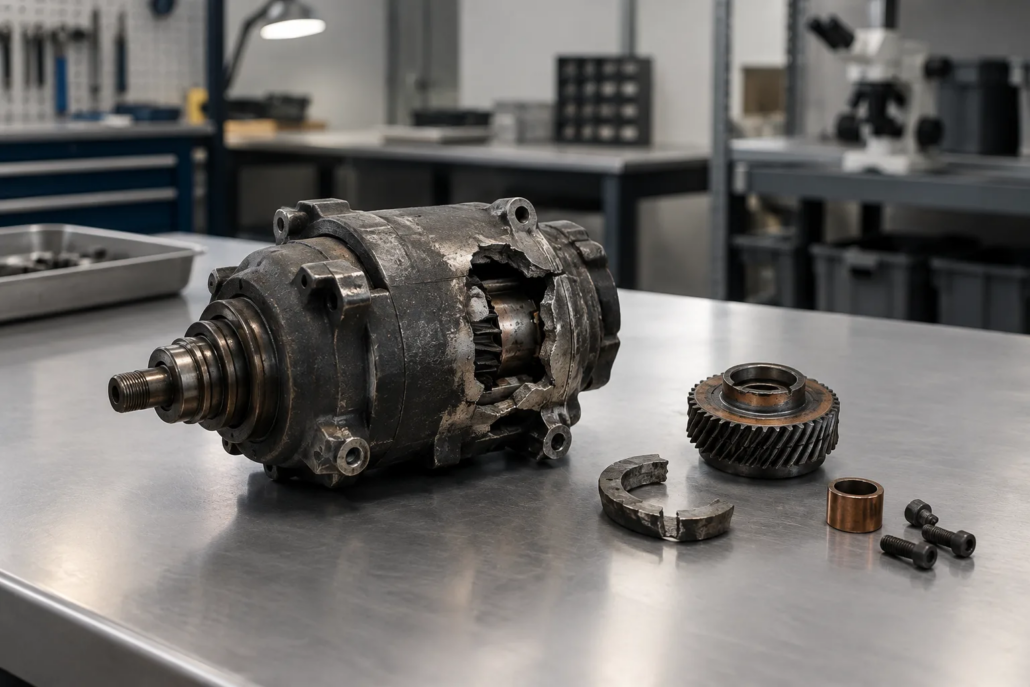
After a fatal incident, a product may be dangerous, damaged, or difficult to store. Safety comes first; no one should handle an unsafe item just to preserve evidence. Where practical, families can ask the relevant property custodian, insurer, or investigating agency how the product can be secured without further changes. Before anything is repaired, taken apart, cleaned, or discarded, documenting its condition may help later evaluation.
Useful evidence may include:
- The product itself, including broken, detached, or worn parts and any packaging still available.
- Instructions, warnings, service materials, and information about replacement parts.
- Maintenance and repair records, including dates, work performed, and parts installed.
- Purchase records, such as receipts, order confirmations, or information identifying the seller and approximate purchase date.
- Photos or video showing the product and its surroundings, if available and obtained safely.
A failed component may help explain how a product contributed to a crash or worsened its consequences. For a related discussion, see how a failed motorcycle component may support a Maryland injury claim. Avoiding unnecessary changes can make it easier for qualified investigators to examine the product and consider competing explanations. Families in Arnold and Severna Park may find that keeping a simple record of who has possession of the item and when it was moved also helps clarify its history.
Claims, evidence, and timing after a fatal product failure
Product evidence is only one part of a wrongful-death case. The circumstances may require review of the incident scene, product design or manufacturing information, purchase and service history, witness accounts, and records describing how the product was used. Depending on the matter, technical experts may evaluate the product and competing theories about the failure. The process and evidence needs vary; an early argument about misuse is not a final determination of responsibility.
A wrongful-death claim and a survival claim are also distinct. A wrongful-death claim generally addresses losses suffered by eligible family members, while a survival claim may address losses the deceased experienced before death. If the person lived for a period after the incident, how hospital records may support a Maryland survival claim explains why medical documentation may matter. Separately, Maryland wrongful death damages and who may recover them discusses issues that do not answer whether a product was defective.
Preserving evidence does not pause a filing deadline. Maryland deadlines and the facts that affect them can be complicated, so families may want case-specific guidance about Maryland’s wrongful-death filing deadline. Rules can vary by jurisdiction and may change; the applicable facts and law should be reviewed for the particular matter.
Frequently Asked Questions
Can a manufacturer blame a product change after a fatal accident?
A manufacturer or seller may argue that a change made after sale affected the product or contributed to its failure. Whether that argument matters depends on evidence about what changed, when it happened, and how the change relates to the incident. It does not, by itself, establish that the change caused the death or rule out other contributing issues. Product condition and history may need careful evaluation.
What should a family preserve after a fatal product failure?
When it is safe and practical, preserve the product and detached parts, along with instructions, warnings, service records, repair information, and purchase details. Avoid unnecessary repairs, disassembly, or disposal before the item can be documented or evaluated. If the product presents a safety risk, families should not handle it solely to preserve evidence; the appropriate way to secure it depends on the circumstances.
Does alleged misuse automatically bar a Maryland claim?
Not automatically. A seller or manufacturer may dispute whether the product was used as expected, but the facts and applicable law matter. The product’s instructions, warnings, design, condition, and the events leading to the failure may all be relevant. A general description of the incident is not enough to determine how a particular defense would affect a claim.
Are wrongful-death and survival claims the same in Maryland?
No. They address different interests. A wrongful-death claim generally concerns losses experienced by eligible family members, while a survival claim may address losses the deceased experienced before death. Whether either claim may apply depends on the circumstances and applicable Maryland law. The evidence relevant to one claim may overlap with, but is not necessarily identical to, the evidence relevant to the other.
How Murnane & O’Neill Can Help
Murnane & O’Neill is dedicated to helping families understand the questions that may follow a fatal product failure, including disputes about alteration, maintenance, or use. The firm can review the available circumstances, explain how product evidence may fit into a potential claim, and discuss issues such as related wrongful-death and survival claims. Each matter is different, and an initial review cannot promise a particular result. Families in Arnold, Severna Park, and surrounding Maryland communities can contact the firm to request a free consultation or case evaluation.
The information in this article is for educational purposes only and does not constitute legal advice. Contact a qualified attorney authorized to practice in the jurisdiction that applies to your matter for advice specific to your situation.


Leave a Reply
Want to join the discussion?Feel free to contribute!