Coverage After Rideshare Crashes: Annapolis Uber Lyft Lawyer
An Uber or Lyft collision can leave you with more than vehicle damage. You may also be trying to determine which insurance policy applies, whether the rideshare driver was working through the app, and how to preserve information that could later matter. If you are searching for an Annapolis Uber Lyft accident lawyer, understanding the driver’s app status and your role in the crash is a useful starting point.
After preserving trip, crash, and injury records, an Annapolis crash injury attorney may evaluate potential claims involving the rideshare driver, available rideshare coverage, and other responsible parties. Murnane & O’Neill provides guidance for people dealing with these questions. This article explains who may pay, what to record, and how communications and medical documentation can affect a Maryland rideshare accident claim.
This coverage-and-responsibility guide applies general principles and does not determine what insurance must pay in any particular case.
Who May Pay After an Uber or Lyft Crash in Annapolis?
The answer often depends on what the driver was doing in the rideshare app when the collision occurred. Personal auto insurance, rideshare-related coverage, and insurance for another at-fault driver may all become relevant. Coverage questions can be fact-specific, and the policy language and Maryland law that apply may change the analysis.
When the Driver Was Offline
If the driver was not logged into the app, the driver’s personal auto policy may be the primary policy to examine, subject to its terms and applicable Maryland law. If another driver caused the collision, that driver’s liability coverage may instead be relevant. A passenger, pedestrian, or occupant of another vehicle may have a claim even when they were not responsible for causing the crash.
When the Driver Was Available or Carrying a Passenger
A driver who is logged in and waiting for a request may be treated differently from a driver who has accepted a trip. When the driver is traveling to pick up a passenger or transporting one, rideshare coverage may potentially apply. The precise coverage can depend on the app status, the accident facts, the policies involved, and whether another motorist contributed to the crash.
This framework applies in Annapolis, MD and Glen Burnie, MD, but it is not a substitute for reviewing the particular facts. The injured person’s role also matters. A rideshare passenger may pursue compensation even when the rideshare driver was at fault; Maryland passenger injury claim rights can provide useful background.
What to Record for a Maryland Rideshare Accident Claim
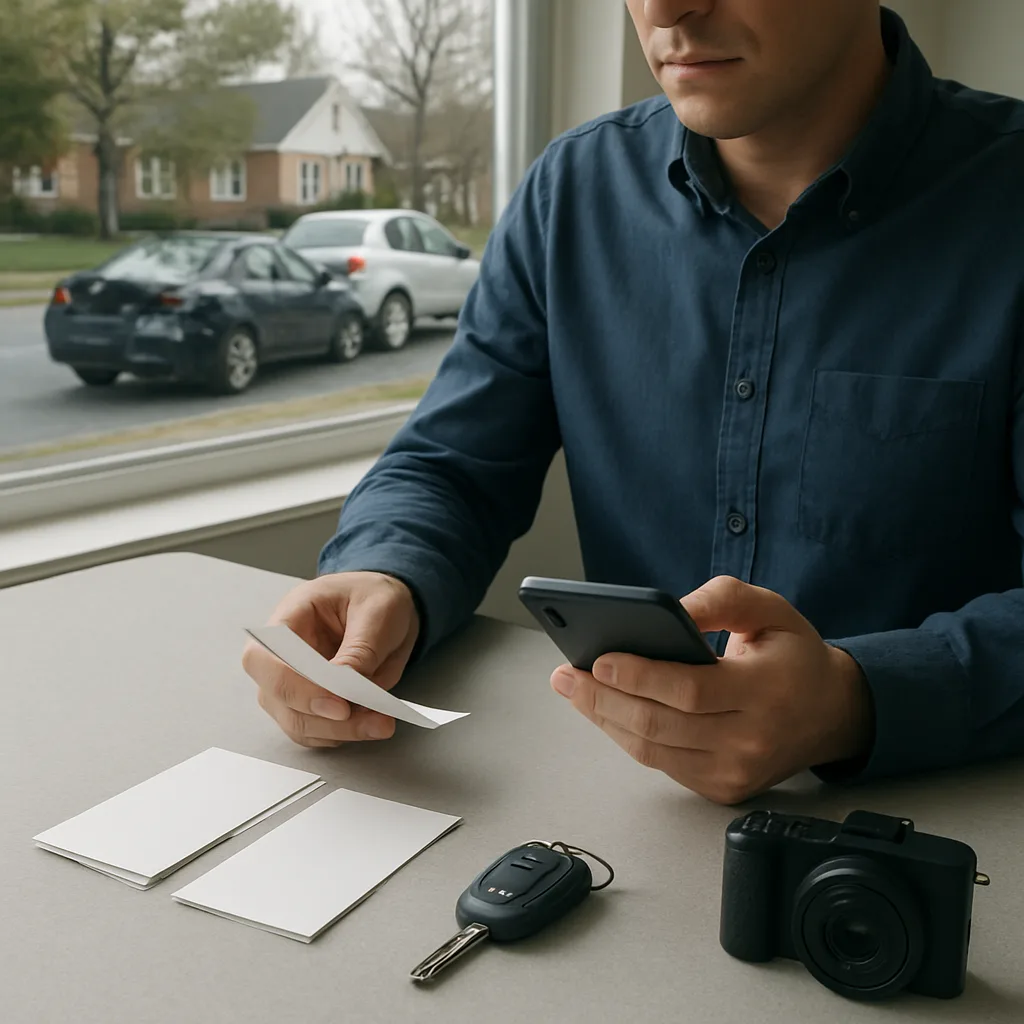
Rideshare evidence can exist in several places, including the app, your phone, police records, medical files, and insurance communications. Preserve information promptly and keep original copies when possible. Do not alter screenshots or delete messages, even if a detail seems unimportant.
Trip, Driver, and Vehicle Information
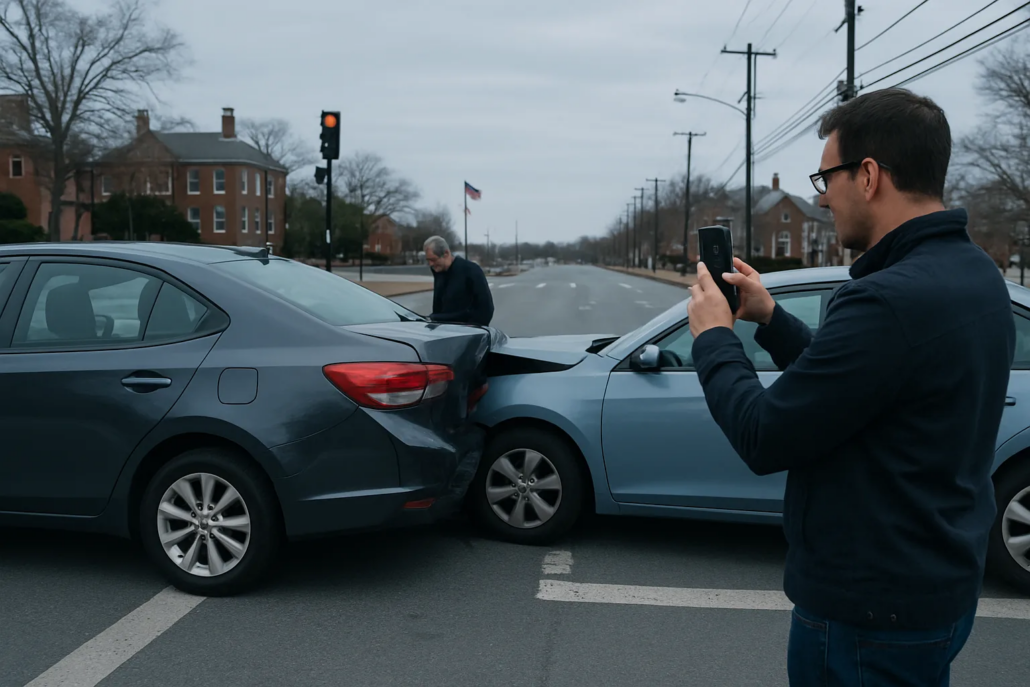
For a passenger, save the trip receipt, pickup and drop-off details, fare record, driver profile information, vehicle description, and any in-app messages. If you were a pedestrian or another driver, record the rideshare vehicle’s make, model, color, license plate, and identifying information without putting yourself in danger. Photographs of vehicle damage, road conditions, traffic controls, and the surrounding scene may also help explain what happened.
Police and Witness Records
Request or retain the incident number and any paperwork provided by the responding agency. In Annapolis, the responding agency may be Annapolis Police, while a collision elsewhere in Anne Arundel County may involve Anne Arundel County Police or another agency. Witness names and contact information can be valuable because memories and contact details may become harder to locate later.
A broader Maryland serious crash injury checklist may help organize photographs, witness information, vehicle damage, scene conditions, and injury records. Generally, avoid posting crash details or speculative statements about fault on social media while an insurance review is pending.
Medical Documentation and Out-of-Pocket Losses
Keep discharge instructions, visit summaries, diagnostic records, prescription information, invoices, receipts, and explanations of benefits. Also record transportation costs, missed work information, and out-of-pocket payments when they relate to the collision. Medical documentation should reflect care actually received; it should not be altered or supplemented with guesses.
Bills may arrive before responsibility and coverage are resolved. Information about handling medical bills after a Maryland injury accident may help explain why organized billing records matter. An attorney can discuss how the available documentation relates to a potential injury claim without making a medical diagnosis or recommending treatment.
How App Status, Communications, and Your Role Affect the Process
An injured person’s position in the crash can shape the investigation. A passenger may have information about the trip and driver but may not know what the app showed at the exact moment of impact. A pedestrian may need to document location, traffic signals, and the vehicle’s movements. An occupant of another vehicle may have separate claims involving the rideshare driver, another motorist, or applicable uninsured or underinsured coverage.
Insurance companies and rideshare platforms may contact people soon after a collision. Save emails, text messages, claim numbers, app notifications, letters, recorded-statement requests, settlement offers, and platform messages. Do not assume that a platform message establishes coverage, and do not discard communications that seem routine.
When speaking with an adjuster, information should be accurate and limited to what you know. Guessing about speed, fault, or the cause of a medical symptom can create confusion. Similarly, minimizing an injury before its full course is understood may not accurately describe your circumstances. For general background on how to handle insurance adjusters after a crash, review the firm’s related guidance.
Common documentation problems include:
- Failing to save the trip receipt or app communications.
- Waiting too long to identify witnesses or photograph vehicle damage.
- Assuming the rideshare company automatically pays every claim.
- Treating a police report as the only evidence of what occurred.
- Throwing away medical bills, receipts, or work-loss records.
In Annapolis, MD and Glen Burnie, MD, the applicable facts, insurance policies, and Maryland legal rules may differ from one collision to another. A lawyer may help identify potentially responsible parties and organize the evidence without assuming that one policy will apply automatically.
Frequently Asked Questions
Does Uber or Lyft pay every injury claim after a crash?
No. Rideshare coverage is not automatically responsible for every collision involving an Uber or Lyft vehicle. The driver’s app status, the driver’s conduct, the injured person’s role, other motorists, and the applicable insurance policies can all matter. In Maryland, a coverage review may involve more than one insurer. A qualified attorney can evaluate the available facts and explain potential sources of compensation.
What if I was a passenger and the rideshare driver caused the crash?
A passenger may still have an injury claim when the rideshare driver was at fault. Potential coverage may depend on whether the driver was transporting a passenger, traveling to pick one up, or engaged in another app activity. Save the trip information, report the collision accurately, and preserve medical records. The claim may also involve another driver if that person contributed to the crash.
Can a pedestrian make a claim after being hit by a rideshare vehicle?
A pedestrian may be able to pursue a claim if the evidence supports another person’s responsibility for the collision. Useful information may include photographs, witness contacts, the responding agency’s incident number, nearby camera information, and medical records. Liability and available insurance can be disputed, particularly when traffic conditions or more than one vehicle are involved. The facts should be reviewed under Maryland law.
Should I accept a settlement offer from an insurer?
A settlement offer may address only some losses or may include terms that affect future rights. Before deciding how to respond, review the offer, supporting records, and release language carefully. Keep copies of all communications and avoid assuming that an early offer reflects the full value of an injury claim. Depending on the circumstances, an attorney may explain the potential consequences of accepting or declining an offer.
How Murnane & O’Neill Can Help
Murnane & O’Neill is dedicated to helping injured people understand the insurance and responsibility issues that can follow a rideshare collision. The firm can review app-status information, police and witness records, medical documentation, vehicle damage, and communications from insurers or the rideshare platform. It is committed to fighting for clients’ rights while explaining the process in clear, practical terms. If you were hurt as a passenger, pedestrian, or occupant of another vehicle in Annapolis or Glen Burnie, contact Murnane & O’Neill for a free consultation or case evaluation.
The information in this article is for educational purposes only and does not constitute legal advice. Contact a qualified attorney licensed in Annapolis, MD; Glen Burnie, MD for advice specific to your situation.