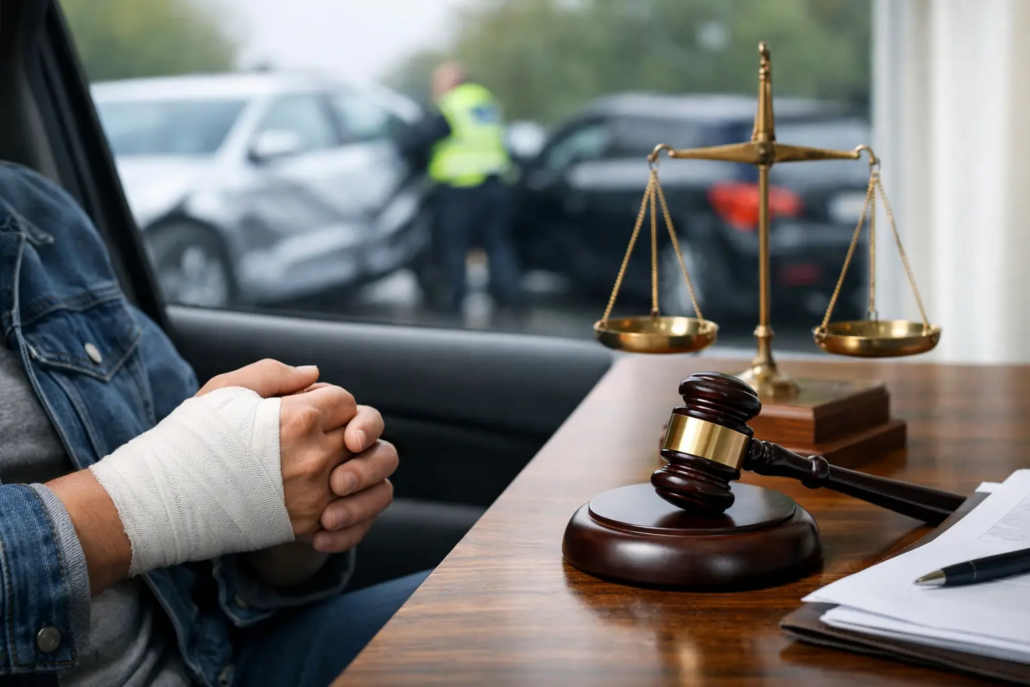
Passenger Injury Claim Rights in Maryland
A lot of injured passengers make the same mistake after a crash – they assume they do not have a claim because they were not driving. That is often wrong. In Maryland, passenger injury claim rights can be strong because a passenger is rarely the person who caused the collision. If you were hurt in a car, truck, rideshare, or motorcycle crash in Pasadena or nearby Anne Arundel County, the law may give you the right to pursue compensation for medical bills, lost income, pain, and other losses.
What passenger injury claim rights usually include
When a passenger gets hurt, the first legal question is usually not whether a claim exists. It is which insurance policy or policies should pay. A passenger may have a claim against the driver of the vehicle they were riding in, the driver of another vehicle, or both if multiple people contributed to the crash.
That matters because injury claims are built on fault. Maryland follows a strict contributory negligence rule, but that rule often affects drivers much more than passengers. In many cases, an injured passenger did nothing to cause the wreck. That can put the passenger in a stronger position than the drivers who are blaming each other.
Passenger injury claim rights generally include the right to seek compensation for emergency care, hospital treatment, follow-up visits, physical therapy, medication, lost wages, reduced earning capacity, and pain and suffering. If the injuries are serious, the claim may also include future medical treatment and the long-term impact on daily life.
Who may be responsible for a passenger’s injuries?
A passenger injury case is not always as simple as filing against the other driver. Sometimes the driver of your own vehicle was speeding, distracted, impaired, or following too closely. Sometimes the other driver ran a light or crossed the center line. Sometimes both share responsibility.
That is why early investigation matters. Insurance companies often move fast to frame the facts in a way that limits what they pay. A passenger may be contacted by one insurer, then another, with each trying to shift blame elsewhere. You do not need to sort that out on your own before getting legal advice.
In some cases, a claim may also involve a commercial vehicle, a rideshare company, or an employer if the at-fault driver was working at the time of the crash. Those claims can involve larger policies, but they also tend to trigger faster and more aggressive defense efforts.
Passenger injury claim rights after a crash with someone you know
One reason people hesitate to act is personal. They were riding with a friend, spouse, parent, or coworker, and they do not want to sue someone they know. That concern is understandable, but it often misunderstands how these cases work.
Most passenger injury cases are handled through insurance, not by taking money directly from a driver’s pocket. If another person’s negligence caused your injuries, your claim is usually directed to the insurance coverage in place for exactly this situation. The fact that you know the driver does not erase your losses, and it should not force you to absorb medical debt that someone else’s policy may cover.
There are still practical and emotional trade-offs. Every case has family dynamics and financial realities. But delaying too long because the driver is someone you care about can damage your claim. A serious injury deserves a serious legal review, even when the relationship makes the situation uncomfortable.
What if the insurance company says you were partly at fault?
Passengers are sometimes accused of contributing to their own injuries. The argument may be that they knew the driver had been drinking, knowingly got into a car with an unsafe driver, or failed to wear a seat belt. These defenses are fact-specific, and insurers raise them for a reason – they are trying to reduce or defeat the claim.
That does not mean the defense will hold up. It means the facts need to be developed carefully. Statements made early, especially recorded statements, can be used against you later. If you are injured, it is usually better to focus on medical care and let an attorney control communications with insurers.
Why medical treatment is central to your case
A passenger claim is only as strong as the evidence connecting the crash to the injuries. Medical records do much of that work. If you wait too long to get evaluated, the insurance company may argue that you were not really hurt or that something else caused the problem.
This becomes even more important with injuries that do not always look severe right away, such as concussions, neck injuries, back injuries, or soft-tissue trauma. Adrenaline can hide symptoms for hours or days. Getting prompt medical attention protects your health first, but it also protects the record of what the crash caused.
Follow-through matters too. Missed appointments and gaps in treatment often become defense arguments. If your doctor recommends imaging, therapy, specialist care, or work restrictions, those recommendations can become important proof of the real impact of the injury.
Insurance issues that affect passenger claims
Many passengers are surprised to learn how many insurance layers may be in play. There may be bodily injury liability coverage from one driver, another driver’s policy, uninsured or underinsured motorist coverage, medical payments coverage, or commercial coverage if a company vehicle was involved.
That can create opportunities, but it can also create conflict. One insurer may accept fault while disputing the value of the injury. Another may deny fault entirely. In severe cases, policy limits become a real issue, especially if multiple injured people are making claims from the same crash.
This is where direct lawyer-led representation matters. A passenger with significant injuries should know not just whether a claim exists, but whether all available coverage has been identified and preserved.
Why local legal guidance matters in Pasadena
Crashes in and around Pasadena often involve congested local roads, commuter traffic, and a mix of neighborhood streets and larger routes feeding into the broader Anne Arundel County area. The legal rules are statewide, but the way a claim is investigated, documented, and negotiated often benefits from counsel who understands the local courts, insurers, and claim patterns.
For injured passengers, that local knowledge can make a difference when liability is disputed or when the insurance company tries to minimize treatment. A firm that regularly handles Maryland injury claims can identify the pressure points early and build the case with that reality in mind.
Common mistakes that hurt passenger claims
The biggest problems usually start in the first few weeks after a crash. People try to wait out the pain. They give statements before they understand their injuries. They accept a quick settlement before treatment is complete. Or they assume the claim will work itself out because they were only a passenger.
Those are expensive mistakes. Once a release is signed, the case is generally over. Once evidence is lost, it may not come back. And once the insurance company decides your injuries are minor, changing that narrative takes work.
That is why many injured people benefit from speaking with counsel early, even if they are not sure whether they want to file a claim. A strong legal review can clarify liability, available coverage, and the likely value of the case before avoidable damage is done.
When to talk to an attorney about passenger injury claim rights
If you needed medical care, missed work, have ongoing pain, or are getting calls from insurers, it is time to speak with an attorney. The same is true if fault is disputed, multiple vehicles were involved, or the crash involved a commercial truck or rideshare vehicle.
An attorney can step in to gather records, preserve evidence, evaluate insurance coverage, and push back when carriers try to downplay the claim. That is especially important in higher-value cases where the insurer’s first goal is often to contain exposure, not to treat you fairly.
For injured passengers in Pasadena, strong legal representation means more than filing paperwork. It means having an advocate who deals directly with the insurance companies, builds the case for full compensation, and stays focused on maximizing recovery from the start. That is the kind of hands-on approach injured clients look for when they do not want to be passed off to staff or pressured into a fast settlement.
In Maryland, passenger injury claim rights are real, but they do not enforce themselves. If someone else’s negligence left you injured in the passenger seat, protect your health, protect the record, and get legal guidance before the insurance company decides what your case is worth.