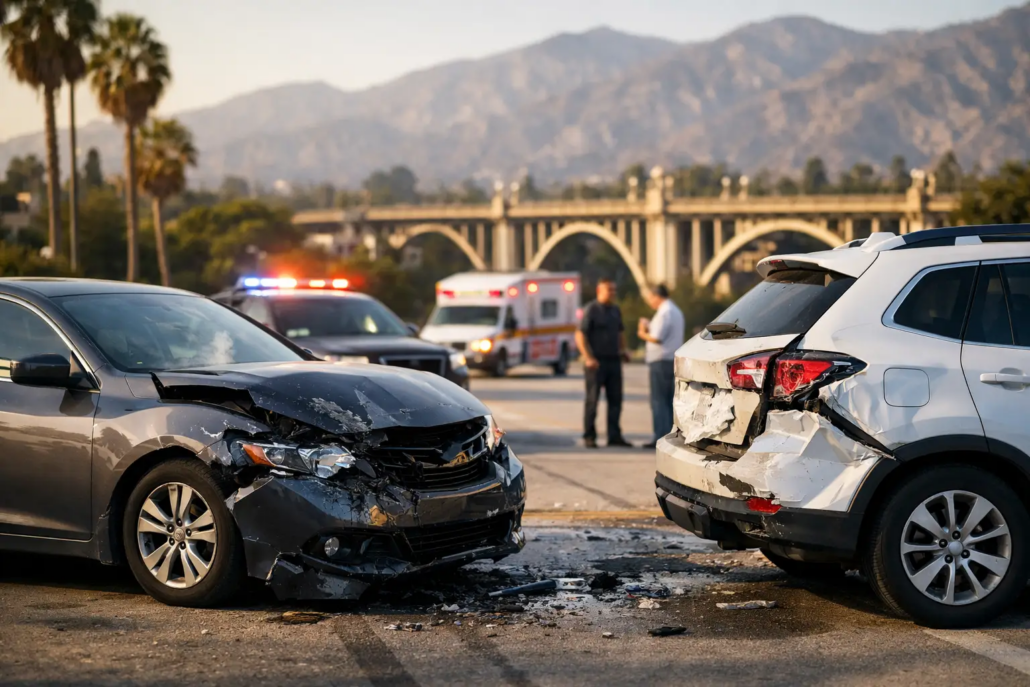
Top Pasadena Car Accident Causes and What They Mean
A driver glances down at a phone on Mountain Road, rolls through a familiar intersection, and changes someone else’s life in seconds. The top Pasadena car accident causes are often ordinary driving choices that become dangerous when traffic, weather, speed, or a momentary lapse in attention is added to the equation. For an injured person, identifying the cause is not just about assigning blame. It can determine what evidence matters, which insurance company is responsible, and whether a claim is positioned for full compensation.
Pasadena drivers share roads with commuters, commercial traffic, school buses, cyclists, and pedestrians. Routes such as Ritchie Highway, Fort Smallwood Road, Edwin Raynor Boulevard, and Mountain Road can become especially hazardous during rush hour, in poor weather, or when drivers make rushed turns across traffic. A serious collision may involve more than one bad decision, which is why prompt investigation matters.
Top Pasadena Car Accident Causes
Distracted driving
Distracted driving remains one of the clearest and most preventable causes of collisions. Texting is the obvious example, but distraction also includes looking at navigation, adjusting music, eating, reaching for an item, or talking to passengers instead of watching the road. At 40 miles per hour, a vehicle travels nearly 60 feet each second. A few seconds of inattention can eliminate a driver’s ability to brake or steer away from danger.
In a claim, distraction is not always admitted. Evidence may come from witness accounts, video footage, vehicle data, phone records obtained through the proper legal process, or the pattern of the crash itself. A rear-end impact with no meaningful braking, for example, may raise serious questions about whether the following driver was paying attention.
Speeding and driving too fast for conditions
Speed limits are not suggestions, but a driver can also be unsafe while traveling at the posted limit. Heavy rain, standing water, darkness, road construction, congestion, and limited sightlines may require a driver to slow down. Speed increases stopping distance and the force of impact, making injuries more severe.
Speeding crashes often produce disputes about how fast a vehicle was moving and whether a driver could have avoided the collision. Photos of vehicle damage, crash-scene measurements, surveillance video, police findings, and accident reconstruction can all be important. Do not assume an insurance adjuster will conduct a thorough investigation on your behalf. Their role is to protect the insurer’s financial interest.
Failure to yield and unsafe turns
Many Pasadena crashes happen when a driver fails to yield while turning left, entering a roadway, merging, or pulling out of a parking lot or private drive. These events are common because drivers misjudge an oncoming vehicle’s speed, assume another motorist will stop, or focus only on one lane of traffic.
A left-turn collision is not automatically simple. The turning driver often has a duty to yield, but the facts still matter. An oncoming driver may have been speeding, run a light, or been traveling without headlights after dark. The sequence of signals, lane positions, and witness observations should be preserved before memories fade.
Impaired driving
Alcohol, illegal drugs, prescription medications, and cannabis can all impair judgment, reaction time, coordination, and perception. Impaired drivers may drift across lanes, miss traffic signals, travel the wrong way, or make abrupt and unpredictable movements. These crashes frequently cause catastrophic injuries because the impaired driver never brakes before impact.
A criminal charge can be powerful evidence, but an injured victim should not wait for a criminal case to conclude before seeking legal advice. The civil claim has its own deadlines, evidence needs, and insurance issues. Compensation may include medical expenses, lost income, pain and suffering, and other losses allowed by Maryland law.
Tailgating and aggressive driving
Following too closely leaves little room for a safe response when traffic slows. Aggressive driving can also include rapid lane changes, cutting off other vehicles, excessive horn use, racing through yellow lights, or using a vehicle to intimidate another driver. These behaviors are especially dangerous on busy corridors where traffic can stop without much warning.
Rear-end collisions are often treated as easy cases, but the injury consequences are not always easy. A person can suffer a concussion, neck injury, back injury, or aggravated preexisting condition even when vehicle damage appears modest. Prompt medical evaluation helps protect health first and also creates a record connecting the injury to the collision.
Fatigued driving
Fatigue can be as dangerous as distraction. A driver returning from a long shift, operating a commercial vehicle, or pushing through late-night travel may have slowed reactions and impaired judgment. Some drivers briefly fall asleep at the wheel, while others remain awake but fail to recognize hazards in time.
Fatigue cases can require a closer look at work schedules, delivery deadlines, logs, or the conduct of a commercial employer. If a truck, van, rideshare vehicle, or company car was involved, there may be additional insurance coverage and parties responsible for the crash. Those details should be examined early, before records disappear.
Unsafe lane changes and blind-spot crashes
Drivers must check mirrors, blind spots, and surrounding traffic before changing lanes. A sudden merge can force another motorist into a barrier, another lane, or oncoming traffic. These crashes can be complicated when both drivers say they were established in the lane first.
Photos, dash camera footage, nearby business video, vehicle locations, and independent witnesses may resolve that dispute. A fast report to law enforcement is helpful, but the police report is only one piece of the evidence. It may contain errors or omit information that later becomes critical.
Why Cause Matters in a Maryland Injury Claim
Maryland follows a strict contributory negligence rule. In general, if an injured person is found to have contributed to the accident, even slightly, recovery may be barred. Insurance companies understand this rule and may search for statements or facts they can use to shift blame.
That does not mean an insurer’s version of events is correct. It means the injured person should be careful from the beginning. Avoid guessing about speed, apologizing simply to be polite, or giving a recorded statement before understanding the evidence and the extent of the injury. Seek medical care, follow treatment recommendations, preserve photographs and documents, and keep track of how the injury affects work and daily life.
The cause of a crash also affects which parties may be liable. A driver may be responsible for careless conduct, but another party could share liability if a vehicle had a dangerous defect, a commercial company encouraged unsafe driving, or a bar served alcohol in circumstances that require closer review. Every case depends on its facts, and a serious investigation should not stop at the first available insurance policy.
What to Do After a Pasadena Crash
If you are physically able, call 911, move to a safe location when possible, exchange information, and take photographs of the vehicles, roadway, injuries, and visible conditions. Ask witnesses for names and contact information. Obtain medical attention promptly, including when symptoms seem manageable at first. Adrenaline can mask pain, and brain, neck, and soft-tissue injuries may become more apparent over the following days.
Keep copies of medical bills, discharge instructions, prescriptions, repair estimates, wage-loss information, and communications from insurers. Do not authorize a quick settlement just because bills are arriving. Early offers often come before a claimant understands the full course of treatment or the lasting effect of an injury.
A lawyer-led review can identify the evidence worth preserving and the coverage that may be available. Hal Murnane has represented injured people since 1986 with direct attorney access and aggressive, professional claim handling. Injury Attorney Jake Senkel can also help injured Maryland residents understand the immediate steps needed to protect a car accident claim.
The days after a collision are disruptive enough without having to battle an insurer alone. Protect your health, preserve the facts, and get experienced legal guidance before an insurance company defines the accident on its own terms.