
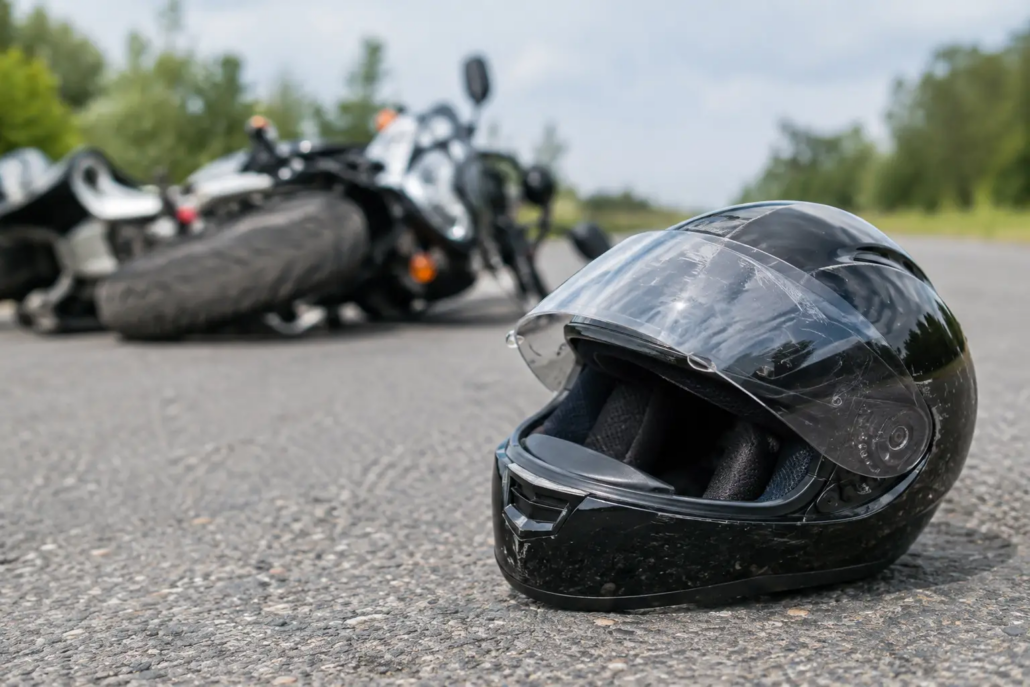
Motorcycle Helmet Evidence After a Maryland Crash
A motorcycle helmet can tell a powerful story after a collision. Cracks in the shell, scuffs on the visor, damage to the chin bar, and even the condition of the retention strap may help explain the force of impact and the rider’s injuries. Motorcycle helmet evidence can matter in a Pasadena, Maryland injury claim, but it must be handled carefully from the first days after a crash.
The insurance company will begin building its position early. It may question how the crash happened, whether the rider was thrown, the severity of the impact, and whether a claimed head or neck injury is consistent with the collision. Preserving the physical evidence gives an injured rider and their attorney a fair opportunity to answer those arguments with facts.
Why Motorcycle Helmet Evidence Matters
A helmet is not merely damaged property. It can be a physical record of a violent event. An accident reconstruction expert may examine scrape patterns, compression, fractured foam liner material, damaged hardware, and transfer marks from another vehicle or roadway surface. Those details can help establish the direction of impact, the rider’s movement, and the energy involved in the collision.
That analysis may support other evidence, including photographs of the crash scene, vehicle damage, police reports, witness accounts, motorcycle data, medical records, and surveillance footage. No single item automatically proves fault. But when the evidence points in the same direction, it can make an insurer’s attempt to minimize a serious claim far less credible.
Helmet evidence can also be relevant when injuries appear more severe than vehicle damage alone might suggest. A motorcycle rider has little physical protection when another driver turns across traffic, changes lanes without looking, follows too closely, or fails to yield. A helmet strike can help illustrate why a rider sustained a concussion, traumatic brain injury, facial injury, cervical injury, or other harm even when the motorcycle did not appear completely destroyed.
Maryland Helmet Law and Insurance Arguments
Maryland requires motorcycle operators and passengers to wear protective headgear that meets applicable safety standards. Riders should comply with that requirement for the most important reason: reducing the risk of devastating injury.
Still, an insurer should not be allowed to turn helmet use into a shortcut for avoiding responsibility. Maryland law specifically limits the use of a rider’s failure to wear required protective headgear as evidence of negligence or contributory negligence and prevents it from being used to limit another party’s liability for damages. In plain terms, a negligent driver does not receive a free pass because an injured motorcyclist was not wearing a helmet.
That legal protection does not make every dispute simple. Maryland follows a strict contributory negligence rule in many injury cases. If the defense can prove the injured person contributed to causing the crash, even slightly, it may attempt to bar recovery. The key distinction is between conduct allegedly causing the collision and conduct related to injury protection. A driver may argue that a motorcyclist was speeding, failed to obey a signal, or made an unsafe maneuver. Those claims require a serious, evidence-based response. Helmet nonuse, however, is not supposed to become an improper tool for reducing damages.
The facts and legal issues can change depending on the crash circumstances, the parties involved, and the available evidence. Prompt legal advice is especially valuable when an insurance adjuster asks leading questions about helmet use or asks for a recorded statement.
Preserve the Helmet Before Anyone Discards It
After a crash, injured riders often want to replace damaged gear immediately. That is understandable. A damaged helmet should generally not be worn again after a significant impact. But do not throw it away, give it to an insurer, or allow a repair shop to dispose of it before speaking with an attorney.
Place the helmet in a safe, dry location and avoid cleaning, repainting, repairing, or removing damaged parts. Take clear photographs from every angle. Include close-ups of cracks, abrasions, crushed foam, visor damage, strap damage, labels, and certification markings. If possible, photograph the helmet alongside the other gear worn during the collision, such as a jacket, gloves, boots, and pants.
Keep the purchase receipt, product information, and packaging if you have them. These items may identify the helmet model, manufacture date, safety certification, and original condition. Also preserve photographs showing how the helmet fit before the crash, if any exist. Do not post assumptions about fault, injury severity, or helmet condition on social media. Insurers routinely look for statements they can take out of context.
Do Not Let the Insurer Take Control of the Evidence
An insurer may ask to inspect the helmet or other gear. That request should be addressed carefully. An inspection may be appropriate, but the chain of custody matters. Before turning over original evidence, an attorney can document its condition, determine whether expert review is needed, and establish clear terms for inspection.
Once an item is lost, altered, or discarded, it may be impossible to recreate the information it contained. That can weaken a claim and invite avoidable disputes. The same preservation rule applies to the motorcycle itself. Do not authorize salvage or repairs until the vehicle has been adequately photographed and evaluated for claim purposes.
Build the Full Evidence Picture
Helmet damage is most persuasive when it is part of a disciplined investigation. Medical care should always come first. Follow through with emergency evaluation, specialist appointments, therapy, and recommended diagnostic testing. Head injuries in particular can be missed or underestimated in the first hours after a collision. Symptoms such as headaches, dizziness, nausea, memory problems, sleep disruption, light sensitivity, confusion, or mood changes deserve prompt medical attention.
At the same time, preserve what you can. Save the names and contact information of witnesses. Request that nearby businesses retain surveillance footage before it is automatically overwritten. Keep copies of towing records, repair estimates, motorcycle photographs, and communications from insurers. Write down what you remember about the crash while the details are still fresh, including traffic signals, weather, lane positions, statements made by the other driver, and the moments immediately after impact.
For a rider injured in Pasadena, Glen Burnie, Severna Park, or Annapolis, local road design and traffic patterns can also matter. A crash at a busy intersection, on a commuter route, or near a commercial entrance may involve camera footage, road conditions, or witnesses who left the scene before police arrived. Early action can make the difference between preserving that proof and losing it.
When Expert Review May Be Necessary
Not every motorcycle accident claim requires an accident reconstruction expert or a helmet specialist. In a clear liability crash with strong witness evidence and substantial medical documentation, the expense may not be justified. But expert analysis becomes more valuable when fault is disputed, the injuries are severe, the crash involved a fatality, or an insurer claims the rider’s account is physically impossible.
An expert can compare helmet damage with motorcycle damage, vehicle contact points, roadway marks, medical imaging, and the reported sequence of events. The goal is not to overcomplicate a claim. It is to prevent the other side from exploiting uncertainty where the physical evidence can provide answers.
This is also why an injured rider should be cautious about accepting a quick settlement. Early offers often arrive before the full medical picture is known and before the evidence has been properly investigated. Once a settlement is signed, the injured person generally cannot return for additional compensation if symptoms worsen or a significant diagnosis emerges.
Get Lawyer-Led Help Before Evidence Disappears
A serious motorcycle collision creates immediate pressures: medical bills, lost income, a damaged bike, and an insurer demanding answers. You do not have to manage the evidence fight alone. An attorney can move quickly to preserve the helmet, motorcycle, records, video, and witness testimony while protecting you from unfair insurance tactics.
At Murnane & O’Neill, injured people receive direct attorney involvement rather than being passed through a high-volume intake system. Injury Attorney Jake Senkel and the firm’s legal team can evaluate the evidence, identify the responsible parties, and pursue the compensation a negligent driver or insurer may resist paying.
If your helmet was damaged in a Maryland motorcycle crash, keep it safe, get the medical care you need, and seek legal guidance before anyone disposes of the evidence. The condition of that helmet may help protect more than your claim – it may help ensure the real story of the crash is heard.





Leave a Reply
Want to join the discussion?Feel free to contribute!