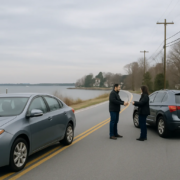
Car Crash Settlement Example in Pasadena, MD
A car crash settlement example can make the process feel less abstract after a wreck disrupts your health, work, and finances. But no two claims have the same value. The force of the collision, the medical proof, available insurance coverage, and the actions of everyone involved can change the outcome significantly. For injured people in Pasadena, the point is not to chase a number from someone else’s case. It is to build evidence that supports the full value of their own losses.
A Car Crash Settlement Example With Real-World Factors
Consider a hypothetical crash on Mountain Road in Pasadena. A driver is stopped at a red light when another vehicle rear-ends them. The impact causes neck and lower-back injuries. The injured driver is taken to the emergency room, follows up with an orthopedic specialist, completes physical therapy, and misses time from work.
Over the following months, the driver’s documented losses include $18,500 in emergency care, imaging, specialist visits, and therapy; $7,500 in lost wages; and $1,200 for medication and transportation to medical appointments. The driver also experiences persistent pain, trouble sleeping, difficulty lifting at work, and missed family activities.
The other driver admits looking down at a phone before the collision. Their insurer initially argues that the injuries should have resolved quickly and offers $28,000. That offer does not fairly account for the medical course, lost earnings, or the day-to-day effect of the injury.
After the claim is supported with medical records, wage documentation, photographs, witness information, and a clear demand for compensation, the matter may settle for a substantially higher amount. For this example, assume the gross settlement is $82,500. That is not a formula or a promised result. It is an illustration of how a documented injury claim can be evaluated when liability is clear and the evidence supports more than a brief, minor injury.
The gross settlement is not necessarily the amount the injured person receives in hand. Attorney fees, case expenses, unpaid medical bills, health insurance reimbursement claims, and other liens can affect the net recovery. A lawyer should explain these issues directly before a client accepts an offer.
What Determines a Car Accident Settlement Value?
Insurance companies do not assign a fair value simply because someone was hit. They scrutinize every part of the claim, looking for gaps in treatment, disputes about fault, prior injuries, or reasons to limit payment. A strong claim answers those questions with evidence instead of assumptions.
Medical treatment and the long-term diagnosis
Medical bills matter, but the diagnosis matters just as much. A person with a sprain that resolves in several weeks has a different claim from someone with a herniated disc, nerve symptoms, a concussion, surgery recommendations, or permanent limitations.
Consistent treatment is often critical. That does not mean an injured person must attend every appointment regardless of circumstances. It means they should seek appropriate care promptly, follow reasonable medical advice, and communicate with providers when pain, mobility problems, or new symptoms continue. A long delay before treatment can give an insurer an argument that the injuries were unrelated or less serious.
Lost income and reduced ability to work
Lost wages are not limited to a missed paycheck. A claim may include lost overtime, used leave, missed self-employment income, and documented reduction in earning capacity when an injury affects the person’s future work. Pay stubs, tax records, employer letters, and medical work restrictions help establish these losses.
For a construction worker, nurse, delivery driver, or other worker whose job is physically demanding, an injury can have consequences well beyond the first few weeks after a crash. The claim should reflect the actual limits imposed by the injury, not just the insurer’s preferred timeline for recovery.
Pain, limitations, and disruption at home
Maryland law allows an injured person to seek compensation for noneconomic harm, including physical pain, emotional distress, inconvenience, and loss of enjoyment of normal activities. These damages are real, but they need credible support. Medical records, a clear timeline of symptoms, statements from people who observe the impact, and the injured person’s own account can all help show what changed after the collision.
A settlement demand should not inflate ordinary discomfort into a catastrophic injury. It should accurately explain the human cost of a documented injury. Clear, truthful evidence is more persuasive than exaggeration.
Insurance coverage and policy limits
Even a strong case can be constrained by the available insurance. If the at-fault driver carries a low liability limit, their insurer may not have authority to pay more than that limit. In some cases, the injured person’s own uninsured or underinsured motorist coverage may provide another source of recovery.
Policy analysis is one reason a quick settlement can be dangerous. Before signing a release, an injured person needs to know what coverage exists, whether additional vehicles or policies are involved, and whether settling one claim affects another potential recovery.
Maryland Fault Rules Can Change Everything
Maryland follows a strict contributory negligence rule. In general, if an injured person is found even partly responsible for causing the crash, they can be barred from recovering damages from the other negligent party. That makes the liability investigation especially important.
An insurer may claim, for example, that a driver was speeding, failed to use a turn signal, entered an intersection too quickly, or could have avoided the impact. Those allegations may be unsupported, but they cannot be ignored. Photographs, vehicle damage, traffic-camera footage, witness statements, road conditions, and the police report can all become important in answering a fault defense.
The police report is useful, but it is not the final word. Officers may arrive after the impact, witnesses may disagree, and the report may contain incomplete information. A lawyer-led investigation looks beyond a single document when liability is challenged.
Why Early Offers Often Fall Short
A prompt call from an insurance adjuster can feel reassuring. The adjuster may be polite, express concern, and offer money before the injured person has even completed treatment. That does not mean the offer reflects the claim’s full value.
Early offers often arrive before the extent of the injury is clear. A person may not yet know whether physical therapy will work, whether an MRI will reveal a more serious condition, how much work will be missed, or whether symptoms will continue. Once a settlement release is signed, the claim is usually over, even if the injury proves more serious later.
It is also wise to be cautious about recorded statements. A casual comment such as “I’m okay” at the scene or shortly after a crash may be used to minimize later complaints of pain. Injuries can develop over hours or days, particularly soft-tissue injuries and concussions.
Building a Claim That Demands Serious Attention
The strongest claims are organized from the beginning. Preserve photographs of the vehicles, the crash scene, visible injuries, and property damage. Keep copies of medical paperwork, bills, prescription receipts, work restrictions, and information about missed income. Do not post details of the crash or physical activities on social media while the claim is pending.
Just as important, do not assume the insurer will collect and interpret the evidence in your favor. Its obligation is to protect its insured and evaluate the claim under its own procedures. Your interests deserve equally focused advocacy.
For someone hurt in Pasadena, Glen Burnie, Severna Park, or Annapolis, direct access to a lawyer can make a meaningful difference. Injury Attorney Jake Senkel and the legal team at Hal Murnane can review the collision, identify the available insurance coverage, and aggressively pursue compensation supported by the facts. Since 1986, the firm has emphasized attorney-led representation rather than sending injured clients through an impersonal claims process.
The Settlement Number Is Only Part of the Decision
A reasonable settlement is not always the largest number mentioned in a negotiation. It is the amount that fairly addresses the evidence, accounts for medical and financial losses, considers future uncertainty, and can actually be collected from available coverage. Sometimes settlement is the right path because it provides certainty and avoids the expense and risk of trial. Other times, a low offer should be rejected and the case should be prepared for litigation.
If a crash has left you facing treatment, lost income, or pressure from an insurance company, get legal advice before accepting a check or signing a release. A careful case review can replace guesswork with a plan focused on protecting your recovery.